
Programme progress packs
A period pack that sets planned activities against what has actually been built, photographed, and measured on site.
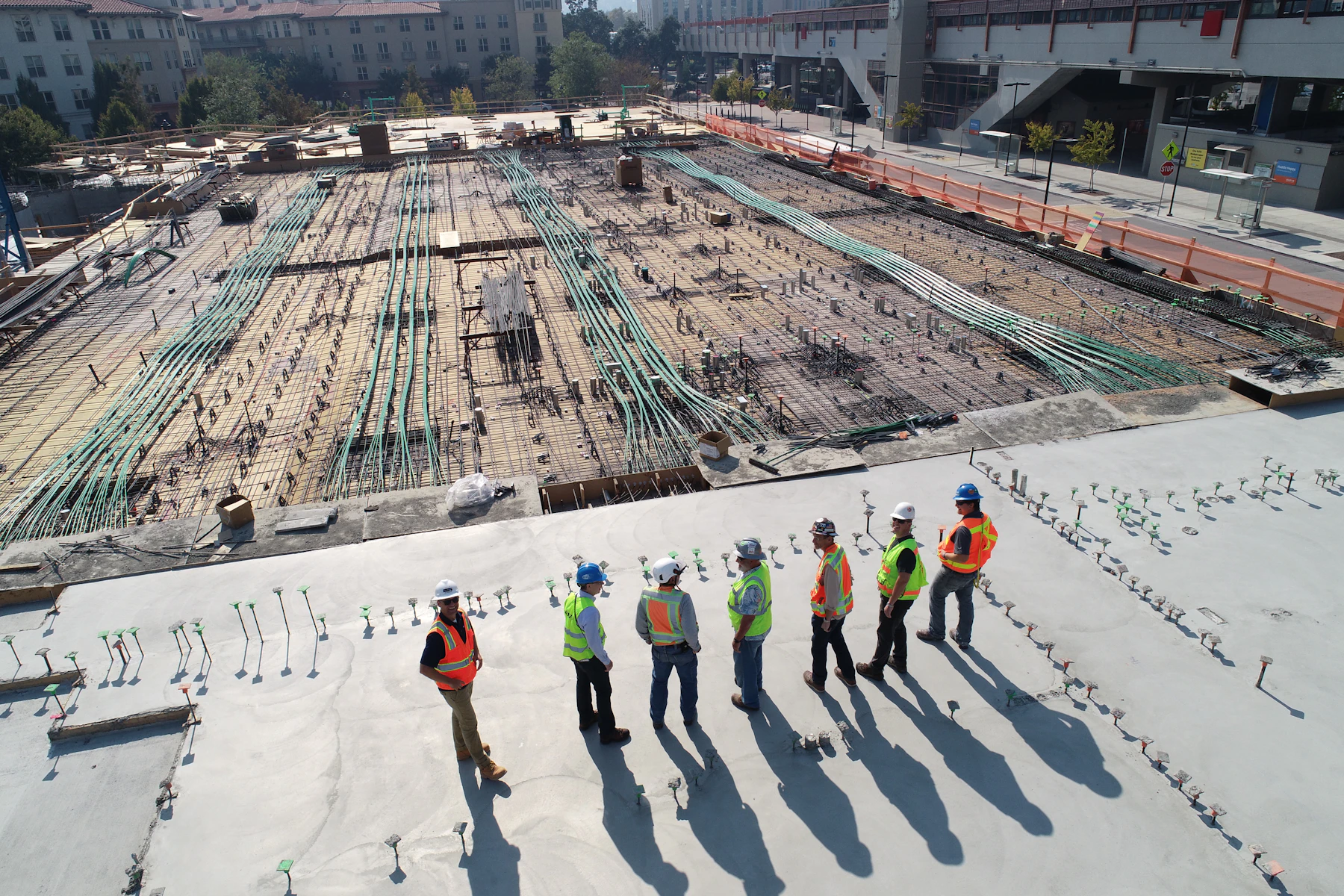
Clephanton · United Kingdom
We write construction project progress and budget variance analytics as numbered packs: photographs keyed to activities, planned versus built work, and a variance note a QS can read.Request an estimate
System Craftline sits with the accepted programme, the cost report, and a walk of the works. The output is a PDF you take to the monthly client meeting: progress by activity, a cumulative curve for the packages in scope, and a budget sheet that names where the variance lives.
Accepted programme, last updates, budget codes, and a named escort on site.
Photographs and measurements against activity IDs, not a gallery of wide shots.
Draft for factual comment, then a numbered issue for the reporting date.
A period pack that sets planned activities against what has actually been built, photographed, and measured on site.

Cost-to-complete set against the approved budget, by cost code, with a written note on overspend, underrun, and remaining contingency.

A meeting-ready set of progress sheets, photographs, and budget headlines for the monthly client or funder session.

A dated visual chronology of instructions, weather, access, and variations that affected the critical path you name.

An accompanied walk of the works, with photographs keyed to programme activities and a same-week note of what was seen.
If the site diary and the programme freeze on different dates for the same slab, the pack shows both. Construction project progress and budget variance analytics only help a meeting when the sources are visible.
See what a pack contains
The first pack arrived with brickwork shown separately from the groundworks curve. Our client had been congratulating us on a healthy overall line while the elevations were still sitting. I would have liked the draft a day earlier before the Thursday meeting, but the activity IDs matched the programme we actually work to.